Navigating CRM software cost can feel like decoding a secret code. From startups to enterprises, everyone wants value—but what’s the real price? Let’s break down the numbers, myths, and hidden fees with clarity and confidence.
CRM Software Cost: The Big Picture in 2024

Understanding CRM software cost starts with seeing the full landscape. Customer Relationship Management (CRM) tools have evolved from simple contact databases into powerful platforms that drive sales, marketing, and customer service. But with that evolution comes complexity in pricing. In 2024, the average CRM software cost ranges from $12 to $250 per user per month, depending on features, deployment type, and vendor. According to Gartner, the global CRM market is projected to exceed $80 billion by 2025, fueled by digital transformation and data-driven decision-making.


What Drives CRM Pricing Variability?
The cost of CRM software isn’t one-size-fits-all. Several factors influence how much you’ll pay. First, the number of users directly impacts monthly or annual fees. Most vendors charge on a per-user, per-month basis. Second, the deployment model—cloud-based (SaaS) versus on-premise—plays a major role. SaaS CRMs typically have lower upfront costs but recurring subscription fees, while on-premise solutions require significant initial investment in servers and IT infrastructure.
- Number of users and access levels
- Deployment model (cloud vs. on-premise)
- Integration requirements with existing systems
Additionally, industry-specific needs can inflate prices. For example, a healthcare CRM may require HIPAA compliance, adding to development and maintenance costs. A study by Forrester Research found that companies using advanced CRM platforms saw a 27% increase in sales productivity, justifying higher investment.
Hidden Costs Often Overlooked
Many businesses focus only on the sticker price and miss the hidden costs lurking beneath. Implementation fees, training, customization, data migration, and ongoing support can double the initial CRM software cost over the first year. For instance, Salesforce implementation can cost between $5,000 and $50,000 depending on complexity. Similarly, HubSpot may offer a free tier, but scaling beyond basic features quickly adds up.
“The true cost of CRM isn’t just the license—it’s the total cost of ownership over three years.” — CRM Industry Analyst, Nucleus Research
Custom workflows, third-party app integrations, and API usage often come with additional charges. Even customer support tiers vary: basic email support might be included, but phone or 24/7 support usually costs extra. These hidden expenses are why a $15/user/month CRM can effectively cost $50/user/month when fully deployed.
CRM Software Cost by Deployment Type
The way you deploy your CRM—whether in the cloud, on-premise, or hybrid—dramatically affects your budget. Each model has distinct financial implications, and choosing the right one depends on your business size, IT capabilities, and long-term strategy.
Cloud-Based CRM: Subscription Model Explained
Cloud-based CRM systems dominate the market due to their scalability and ease of use. Vendors like Salesforce, Zoho, and HubSpot operate on a SaaS (Software as a Service) model, charging recurring subscription fees. These typically range from $12 to $300 per user per month. The appeal lies in low upfront costs—no need to buy servers or hire dedicated IT staff.
- No hardware investment required
- Automatic updates and security patches
- Scalable based on team size
However, the convenience comes at a long-term cost. Over five years, a team of 50 users on a $50/user/month plan will spend $300,000 in subscriptions alone. While this avoids capital expenditure, it represents a significant operational expense. Plus, data ownership and compliance concerns may arise, especially in regulated industries.
On-Premise CRM: High Upfront, Lower Long-Term?
On-premise CRM solutions, like Microsoft Dynamics 365 (on-premise edition) or Oracle CRM, require businesses to host the software on their own servers. This model demands a large initial investment: licensing fees, server hardware, database setup, and IT personnel. A typical on-premise CRM deployment can cost $50,000 to $200,000 or more upfront.
Despite the high entry barrier, some organizations prefer this model for greater control over data, customization, and security. Once deployed, annual maintenance fees are usually 15–20% of the initial license cost. Over a 10-year period, on-premise CRM can be cheaper than cloud alternatives—assuming no major upgrades or hardware failures.
“On-premise CRM is like buying a house: high initial cost, but potential long-term savings.” — Tech CFO, Manufacturing Sector
However, this model lacks the agility of cloud solutions. Scaling up requires new hardware, and software updates must be manually installed, increasing downtime and labor costs.
CRM Software Cost by Vendor: Top 5 Compared
Not all CRM platforms are priced equally. The vendor you choose significantly impacts your budget. Let’s compare the CRM software cost of the top five players in 2024: Salesforce, HubSpot, Zoho CRM, Microsoft Dynamics 365, and Pipedrive.
Salesforce: Power at a Premium
Salesforce is the market leader, known for its robust features and ecosystem. But it comes with a premium price tag. Its Sales Cloud starts at $25/user/month for the Essentials plan, rising to $300/user/month for the Unlimited edition. Enterprise plans often require custom quotes, easily exceeding $500/user/month with add-ons.
- Essentials: $25/user/month (basic CRM)
- Professional: $75/user/month (automation, reporting)
- Enterprise: $150/user/month (advanced customization)
- Unlimited: $300/user/month (24/7 support, sandbox)
Additional costs include Salesforce CPQ ($75/user/month), Marketing Cloud ($400+/month minimum), and implementation services. While powerful, Salesforce’s complexity often requires hiring consultants, adding tens of thousands to the total CRM software cost.
HubSpot: Free to Enterprise Scalability
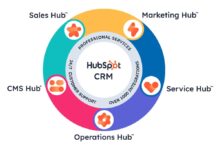
HubSpot stands out with a generous free plan and a smooth upgrade path. The free CRM includes contact management, email tracking, and basic reporting. Paid plans start at $20/month (Starter) and go up to $1,200/month (Enterprise), depending on features like automation, analytics, and service hubs.
The CRM software cost for HubSpot is transparent, but feature bundling can make it expensive. For example, the Marketing Hub adds $50/month for 1,000 contacts, and the Sales Hub starts at $50/month. While ideal for SMBs, large enterprises may find the pricing less competitive than Salesforce or Dynamics.
“HubSpot’s free CRM is a game-changer for startups, but scaling costs can surprise you.” — SaaS Growth Consultant
CRM Software Cost by Business Size
Your company’s size directly influences which CRM solution makes financial sense. Small businesses, mid-sized companies, and enterprises have different needs, budgets, and scalability requirements.
Small Businesses: Budget-Friendly Options
For small businesses with fewer than 10 employees, affordability and ease of use are key. The ideal CRM software cost should be under $50/user/month, with minimal setup time. Zoho CRM, Freshsales, and Insightly are popular choices.
- Zoho CRM: Free for up to 3 users; paid plans from $14/user/month
- Freshsales: Free plan available; paid from $15/user/month
- Insightly: Starts at $29/user/month with project management features
These platforms offer essential features like lead tracking, email integration, and mobile access. Implementation is usually self-service, reducing onboarding costs. However, advanced automation or AI features may require upgrading to higher tiers, increasing the CRM software cost over time.
Mid-Sized Companies: Balancing Features and Cost
Companies with 50–500 employees need more robust functionality—workflow automation, team collaboration, and integration with ERP or marketing tools. At this stage, CRM software cost becomes a strategic investment rather than a simple expense.
Solutions like HubSpot Professional ($800/month for 5 users), Salesforce Professional ($75/user/month), or Microsoft Dynamics 365 ($200/user/month) are common. Total annual costs can range from $50,000 to $200,000. Implementation often requires external consultants, adding $10,000–$50,000 to the first-year budget.
“For mid-sized firms, CRM isn’t just about cost—it’s about ROI.” — Business Operations Director
The focus shifts from basic contact management to sales forecasting, customer segmentation, and performance analytics. The right CRM can increase lead conversion by 30% or more, justifying the higher CRM software cost.
Enterprise CRM: Total Cost of Ownership
For large enterprises, CRM software cost extends far beyond subscription fees. Total Cost of Ownership (TCO) includes licensing, implementation, customization, training, integration, maintenance, and internal labor. A 2023 report by IDC found that the average enterprise CRM project costs $1.2 million over five years.
Implementation and Customization Expenses
Enterprise CRMs are rarely plug-and-play. Customization to match complex sales processes, branding, and compliance requirements is standard. Salesforce implementations at Fortune 500 companies can cost $500,000 or more. Microsoft Dynamics deployments often require months of configuration and testing.
- Consulting and integration services: $50,000–$500,000+
- Data migration: $10,000–$100,000
- Custom development and API work: $20,000–$200,000
These costs are often underestimated during procurement. A McKinsey study revealed that 60% of enterprise CRM projects exceed their initial budget due to scope creep and unforeseen technical challenges.
Training and Change Management
Even the best CRM fails if employees don’t use it. Training is a major cost center. For a 1,000-employee organization, training can cost $100,000–$300,000, including materials, sessions, and lost productivity. Change management consultants may be hired to drive adoption, adding another $50,000–$150,000.
According to Nucleus Research, companies that invest in comprehensive training see 3x higher user adoption and 2.5x faster ROI. Yet, many enterprises cut corners here, leading to low engagement and wasted investment.
“A CRM without user adoption is just an expensive database.” — CIO, Global Financial Services Firm
Free CRM Tools: Are They Worth It?
Free CRM software can be tempting, especially for startups and solopreneurs. But are they truly free, or do they come with hidden trade-offs? Let’s examine the reality behind no-cost CRM platforms.
Top Free CRM Options in 2024
Several vendors offer free CRM tiers with surprisingly robust features. Zoho CRM, HubSpot CRM, and Freshsales all provide free plans that include contact management, deal tracking, and email integration.
- Zoho CRM Free: Up to 3 users, 1 million records
- HubSpot CRM: Unlimited users, basic automation
- Freshsales Free: Visual deal pipeline, email tracking
These tools are excellent for testing CRM concepts or managing small sales teams. However, they lack advanced features like workflow automation, custom reporting, and multi-channel support. Upgrading is often necessary as your business grows.
The Hidden Cost of ‘Free’
Free CRMs aren’t truly free. The cost comes in the form of limited functionality, vendor lock-in, and data usage. For example, HubSpot uses your data to improve its AI models and may promote its paid services within the interface. Zoho limits automation to 1,000 actions per month on the free plan.
Additionally, migrating from a free CRM to a paid enterprise system later can be costly and time-consuming. Data export limitations, lack of API access, and poor integration support make transitions difficult. The real CRM software cost of free tools is often paid later in inefficiency and rework.
“Free CRM is like a free sample—it gets you in the door, but the real cost comes with scaling.” — Tech Startup Founder
How to Reduce CRM Software Cost Without Sacrificing Value
Minimizing CRM software cost doesn’t mean choosing the cheapest option. It means maximizing value while controlling expenses. Smart strategies can help you get the most out of your investment.
Negotiate with Vendors
CRM pricing is rarely fixed. Vendors expect negotiation, especially for annual commitments or large user counts. Discounts of 10–30% are common when paying annually. For enterprise deals, multi-year contracts can unlock deeper discounts and free training credits.
- Ask for annual billing discounts
- Negotiate free onboarding or training
- Bundle modules for lower per-unit cost
Don’t hesitate to leverage competitor quotes. Showing a lower offer from Zoho or HubSpot can prompt Salesforce to match or beat it. Always involve procurement or finance teams in negotiations for better outcomes.
Start Small, Scale Smart
Instead of rolling out a full-featured CRM to everyone, start with a pilot group. Use a basic plan for core sales teams and expand only when ROI is proven. This phased approach reduces initial costs and allows for feedback-driven customization.
For example, begin with Zoho CRM Standard ($23/user/month) instead of Enterprise ($45/user/month). Add automation and AI features only when needed. This incremental strategy keeps CRM software cost predictable and aligned with business growth.
“The best CRM strategy is the one that grows with you, not one that overloads you.” — Sales Enablement Expert
What is the average CRM software cost per user?
The average CRM software cost ranges from $12 to $250 per user per month. Basic plans for small businesses start as low as $12/user/month (e.g., Zoho CRM), while enterprise-grade platforms like Salesforce can exceed $300/user/month with add-ons. The median cost for mid-tier CRMs is around $50/user/month.
Are there any truly free CRM tools available?
Yes, several vendors offer free CRM tools with core features. HubSpot CRM, Zoho CRM (up to 3 users), and Freshsales provide free plans that include contact management, deal tracking, and email integration. However, they often limit automation, reporting, and support, making them suitable for startups but not for scaling businesses.
What factors increase CRM software cost?
Key cost drivers include the number of users, deployment model (cloud vs. on-premise), customization needs, integration with other systems, data migration, training, and ongoing support. Add-on modules like marketing automation, AI analytics, and CPQ also significantly increase total cost.
How much does Salesforce cost compared to other CRMs?
Salesforce is one of the most expensive CRM platforms, with plans starting at $25/user/month (Essentials) and going up to $300/user/month (Unlimited). When including implementation, customization, and add-ons, total costs can be 3–5x higher than competitors like HubSpot or Zoho for similar team sizes.
Can I reduce CRM costs without losing functionality?
Yes, you can reduce CRM software cost by negotiating annual contracts, starting with a basic plan and scaling gradually, using open-source alternatives, or leveraging built-in automation to reduce manual work. Choosing cloud-based CRMs with transparent pricing and avoiding over-customization also helps control expenses.
Understanding CRM software cost is essential for making a smart, sustainable investment. From free tools for solopreneurs to million-dollar enterprise deployments, the price varies widely based on needs, scale, and strategy. The key is not to minimize cost at all costs, but to maximize value. By evaluating deployment models, comparing vendors, and planning for hidden expenses, businesses can choose a CRM that delivers real ROI. Whether you’re a startup or a global enterprise, the right CRM—priced right—can transform customer relationships and drive growth.
Further Reading:
