Thinking about adopting Salesforce but worried about the price tag? You’re not alone. The real Salesforce CRM cost goes far beyond the monthly subscription—and understanding every layer is crucial for smart budgeting in 2024.
Salesforce CRM Cost: Breaking Down the Pricing Tiers

Salesforce offers a range of CRM editions tailored to different business sizes and needs. The base price is just the beginning—each tier unlocks new capabilities, but also increases the total cost of ownership. Let’s explore what each plan includes and how it impacts your bottom line.


Essentials: Entry-Level for Small Businesses
Salesforce Essentials is designed for small teams with straightforward sales processes. It starts at $25 per user per month when billed annually. While it’s the most affordable option, it’s limited in functionality compared to higher tiers.
- Basic contact and lead management
- Email integration and task tracking
- Mobile access and simple reporting
Despite its low entry cost, Essentials may not scale well for growing businesses. As your team expands or your sales process becomes more complex, you’ll likely need to upgrade—adding to the long-term Salesforce CRM cost.
Professional: Mid-Tier Power for Growing Teams
Priced at $80 per user per month, the Professional edition is a popular choice for mid-sized companies. It includes workflow automation, advanced reporting, and web-to-lead forms—features that significantly improve efficiency.
- Customizable dashboards and reports
- Role-based access and territory management
- Integration with third-party apps via AppExchange
However, this tier lacks some automation features found in higher plans, such as process builder and advanced workflow rules. Businesses often underestimate these gaps, leading to unexpected upgrades and increased Salesforce CRM cost down the line.
Enterprise and Unlimited: For Large-Scale Operations
The Enterprise edition starts at $165 per user per month and offers full customization, API access, and advanced automation. Unlimited, priced at $360 per user per month, adds 24/7 support, higher data storage, and dedicated account management.
- Full API access for deep integrations
- Advanced security and audit trails
- Dedicated customer success support (Unlimited only)
“The jump from Professional to Enterprise isn’t just about price—it’s about control, scalability, and long-term flexibility.” — Salesforce Partner Consultant, CloudFlow Solutions
For enterprises, the Salesforce CRM cost is justified by the need for customization and integration with ERP, marketing, and service platforms. But even here, hidden costs like training and data migration can double the initial investment.
Salesforce CRM Cost: Hidden Fees You Can’t Ignore
The listed price per user per month is just the tip of the iceberg. Many companies are shocked when they see their final invoice due to overlooked add-ons and mandatory services. Let’s uncover the most common hidden costs that inflate the true Salesforce CRM cost.
Implementation and Onboarding Services
Setting up Salesforce isn’t plug-and-play. Most businesses hire consultants or Salesforce partners to configure the system, migrate data, and train staff. Implementation costs can range from $5,000 for small teams to over $100,000 for enterprise deployments.
- Data migration from legacy systems
- Custom field and object setup
- User training and change management
According to Salesforce Consulting Services, the average small business spends 30–50% of its first-year license cost on implementation alone. This is a critical factor in calculating the real Salesforce CRM cost.
Add-On Modules and Clouds
Salesforce sells additional “clouds” like Service Cloud, Marketing Cloud, and Commerce Cloud separately. These are not included in the base CRM price and can dramatically increase your monthly bill.
- Service Cloud: Starts at $75/user/month
- Marketing Cloud: Starts at $400/month (minimum spend)
- Commerce Cloud: From $2,000/month for B2C
If you’re using Salesforce Sales Cloud but also need customer support features, you’ll need Service Cloud. This modular pricing model means the Salesforce CRM cost can balloon quickly when multiple departments adopt the platform.
AppExchange Apps and Integrations
The AppExchange hosts over 5,000 apps that extend Salesforce’s functionality. While some are free, many premium apps charge per user per month—adding another layer to your expenses.
- DocuSign for Salesforce: $40/user/month
- Mailchimp: $15–$99/month depending on volume
- FinancialForce Accounting: $100+/user/month
It’s easy to install these tools without realizing their recurring costs. Over time, these “small” subscriptions can collectively cost more than your core Salesforce license. Always audit your AppExchange usage to control the true Salesforce CRM cost.
Salesforce CRM Cost vs. Competitors: Is It Worth It?
How does Salesforce stack up against rivals like HubSpot, Zoho, and Microsoft Dynamics? While Salesforce is often more expensive, its market dominance suggests value beyond price. Let’s compare features, scalability, and total cost to see if the premium is justified.
HubSpot CRM: Free vs. Salesforce Essentials
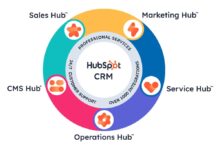
HubSpot offers a powerful free CRM with marketing, sales, and service hubs. Its free plan includes contact management, email tracking, and deal pipelines—features comparable to Salesforce Essentials.
- HubSpot Free: $0 (unlimited users)
- HubSpot Sales Hub Starter: $20/month
- Best for startups and SMBs with tight budgets
However, HubSpot’s customization and automation capabilities lag behind Salesforce. As your business grows, you may hit functional limits. In contrast, Salesforce scales seamlessly, but at a higher Salesforce CRM cost.
Zoho CRM: Affordable Alternative with Depth
Zoho CRM starts at $14/user/month and offers robust automation, AI insights (Zia), and multi-channel communication. It’s a strong contender for cost-conscious businesses.
- Free plan for up to 3 users
- Advanced workflows and territory management in higher tiers
- Tight integration with other Zoho apps (Books, Campaigns, etc.)
While Zoho is cheaper, its ecosystem isn’t as vast as Salesforce’s. For global enterprises needing deep integration and compliance, Salesforce remains the preferred choice despite the higher Salesforce CRM cost.
Microsoft Dynamics 365: Enterprise-Level Rival
Dynamics 365 starts at $65/user/month for Sales Professional and goes up to $225 for Enterprise. It integrates tightly with Microsoft 365, making it ideal for organizations already using Outlook, Teams, and Excel.
- Seamless Office 365 integration
- Strong AI and analytics capabilities
- Often cheaper than Salesforce for similar features
However, Salesforce still leads in third-party integrations, AppExchange, and user community support. For many, the flexibility and innovation justify the higher Salesforce CRM cost.
Salesforce CRM Cost: Licensing Models Explained
Salesforce uses a per-user, per-month licensing model, but it’s more complex than it seems. Understanding license types, user roles, and sharing rules is essential to avoid overpaying.
Full vs. Partial Licenses: What’s the Difference?
Not all users need full CRM access. Salesforce offers partial licenses like Chatter Free, Service Cloud User, and Platform licenses for specific roles.
- Chatter Free: $0 – for collaboration only
- Service Cloud User: $25/month – for agents with limited access
- Platform License: $10/month – for developers or internal tools
By assigning partial licenses to employees who don’t need full CRM access, you can significantly reduce your Salesforce CRM cost. For example, a support team member who only logs cases doesn’t need a $165 Enterprise license.
User Roles and Permission Sets
Salesforce allows granular control over what users can see and do. Using permission sets and roles, you can give limited access without buying expensive licenses.
- Create custom permission sets for specific tasks
- Use role hierarchies to control data visibility
- Avoid over-licensing by auditing user needs quarterly
Many companies over-license out of convenience, leading to unnecessary costs. Regular audits can save 20–30% on annual Salesforce CRM cost.
Annual vs. Monthly Billing: Which Saves More?
Salesforce offers a discount for annual commitments. While monthly billing provides flexibility, annual contracts typically save 10–15%.
- Pay upfront for 12 months and lock in rates
- Avoid price increases during contract term
- Best for stable teams with predictable growth
However, if your team size fluctuates, monthly billing may be safer. Evaluate your growth forecast before choosing. For most mid-sized businesses, annual billing reduces the overall Salesforce CRM cost.
Salesforce CRM Cost: Implementation Strategies to Save Money
You don’t have to break the bank to implement Salesforce successfully. With the right strategy, you can control costs while maximizing ROI. Here are proven tactics used by top consultants.
Start Small, Scale Smart
Instead of a full rollout, begin with a pilot team—like sales or customer service. Use their feedback to refine the setup before expanding.
- Limit initial scope to core features
- Train super-users to become internal champions
- Gradually add modules based on demand
This phased approach reduces risk and spreads out implementation costs, lowering the upfront Salesforce CRM cost burden.
Leverage Trailhead for Free Training
Salesforce’s free learning platform, Trailhead, offers thousands of modules on administration, development, and best practices. Empower your team to learn at their own pace.
- Complete badges in CRM basics, automation, and reporting
- Reduce dependency on paid consultants
- Build internal expertise for long-term savings
Companies that use Trailhead cut training costs by up to 70%, directly reducing the total Salesforce CRM cost.
Hire Freelancers vs. Agencies
Instead of hiring a full-service agency, consider freelance Salesforce consultants from platforms like Upwork or Toptal. They often charge 30–50% less than firms.
- Find certified admins and developers
- Pay only for specific tasks (data migration, automation)
- Maintain control over project scope
For small to mid-sized projects, freelancers offer a cost-effective alternative without sacrificing quality—helping you manage the Salesforce CRM cost more efficiently.
Salesforce CRM Cost: ROI and Long-Term Value
While the price is high, Salesforce delivers measurable returns when implemented correctly. Understanding ROI helps justify the investment and align stakeholders.
Measuring Sales Efficiency Gains
Salesforce automates repetitive tasks like data entry, follow-up reminders, and lead assignment. This boosts rep productivity by 20–30%, according to Salesforce’s own State of Sales Report.
- Shorter sales cycles due to better lead tracking
- Fewer lost opportunities from poor follow-up
- Improved forecasting accuracy
Even a 10% increase in close rates can generate millions in additional revenue for large sales teams—far outweighing the Salesforce CRM cost.
Customer Retention and Service Improvements
With Service Cloud, companies resolve issues faster and personalize support. This leads to higher customer satisfaction and retention.
- 360-degree customer view improves service quality
- Automated case routing reduces resolution time
- Self-service portals cut support costs
Increasing customer retention by just 5% can boost profits by 25–95% (Harvard Business Review). When you factor in these gains, the Salesforce CRM cost becomes an investment, not an expense.
Scalability and Future-Proofing
Unlike cheaper CRMs, Salesforce grows with your business. You can add users, clouds, and custom apps without switching platforms.
- No need for costly migrations in 3–5 years
- Access to AI (Einstein), IoT, and blockchain features
- Strong security and compliance for global operations
The long-term scalability reduces technical debt and future upgrade costs—making the Salesforce CRM cost a strategic advantage.
Salesforce CRM Cost: Real-World Case Studies
Let’s look at how real companies manage the Salesforce CRM cost and what they gained in return.
Tech Startup: From Essentials to Enterprise in 18 Months
A SaaS startup with 15 employees started on Salesforce Essentials at $25/user/month. As they scaled to 50 employees and added marketing automation, they upgraded to Enterprise.
- Initial cost: $450/month
- After 18 months: $8,250/month (Enterprise + Service Cloud)
- ROI: 3x increase in sales productivity
The startup used Trailhead for training and hired a freelance consultant for $8,000 in implementation—well below the $20,000 agency quote. Their total first-year cost was $67,000, but revenue grew by $1.2M.
Mid-Sized Manufacturer: Optimizing License Usage
A manufacturing firm with 200 employees was spending $40,000/month on Salesforce. An audit revealed 60 users had full licenses but only needed partial access.
- Switched 40 users to Service Cloud User ($25)
- Moved 20 to Platform licenses ($10)
- Saved $28,000/year
By optimizing license types, they reduced their Salesforce CRM cost by 15% without losing functionality.
Global Retailer: Unified CRM Across Regions
A multinational retailer implemented Salesforce across 12 countries. They used Unlimited edition for headquarters and Professional for regional offices.
- Implementation cost: $180,000 (consultants + data migration)
- Annual license cost: $1.2M
- Result: 40% faster reporting and unified customer data
The upfront Salesforce CRM cost was high, but the global visibility and compliance benefits justified the investment.
What is the starting price for Salesforce CRM?
Salesforce CRM starts at $25 per user per month with the Essentials plan. However, most businesses end up paying more due to additional features, clouds, and implementation costs.
Are there hidden costs with Salesforce?
Yes. Common hidden costs include implementation fees, data migration, training, AppExchange apps, and add-on clouds like Service or Marketing Cloud. These can double the initial license cost.
Can I reduce my Salesforce CRM cost?
Absolutely. You can reduce costs by using partial licenses, starting with a pilot, leveraging free Trailhead training, hiring freelancers, and auditing user roles regularly.
Is Salesforce worth the high price?
For growing and large businesses, yes. Salesforce offers unmatched scalability, integration, and innovation. When implemented well, the ROI in sales efficiency, customer retention, and operational agility far exceeds the Salesforce CRM cost.
How does Salesforce compare to HubSpot or Zoho?
Salesforce is more expensive but more powerful and scalable. HubSpot and Zoho are better for small businesses on a budget. Salesforce wins in enterprise environments where customization and integration are critical.
Understanding the true Salesforce CRM cost requires looking beyond the sticker price. From licensing and implementation to hidden fees and long-term ROI, every factor plays a role in your total investment. While Salesforce is undeniably expensive, its flexibility, scalability, and ecosystem make it a top choice for businesses serious about growth. By planning wisely—starting small, optimizing licenses, and leveraging free resources—you can harness its power without overspending. In 2024, the real value isn’t just in the features, but in how strategically you manage the Salesforce CRM cost.
Further Reading:
